

As an architect, I think about the environmental impact of the buildings we design. This includes how materials are sourced, how much energy a space uses, and what happens to it over time. But the same questions come up when I travel. Every flight, every hotel stay, even how much we pack adds up to its own kind of footprint. The more I think about sustainability in design, the more I notice how the way we move through the world mirrors the way we build it. Architecture and travel are both about creating and experiencing place – and both come with choices that can either increase or reduce our carbon impact. This post looks at how we can think about carbon as architects and travelers.
Architect Education in Zero Net Carbon Design
I am a licensed architect in California, which means every odd year, I need to renew my architectural license. As part of maintaining an architect license, continuing education in zero net carbon design is now a requirement. Naturally, I squeezed in a few classes in the final weeks before renewing. As I just completed my zero net carbon design classes for this cycle, it got me thinking about the relationship between design that strives to reduce our carbon footprint to our role in this as travelers. Let’s take a deeper dive into the relationship between the two.

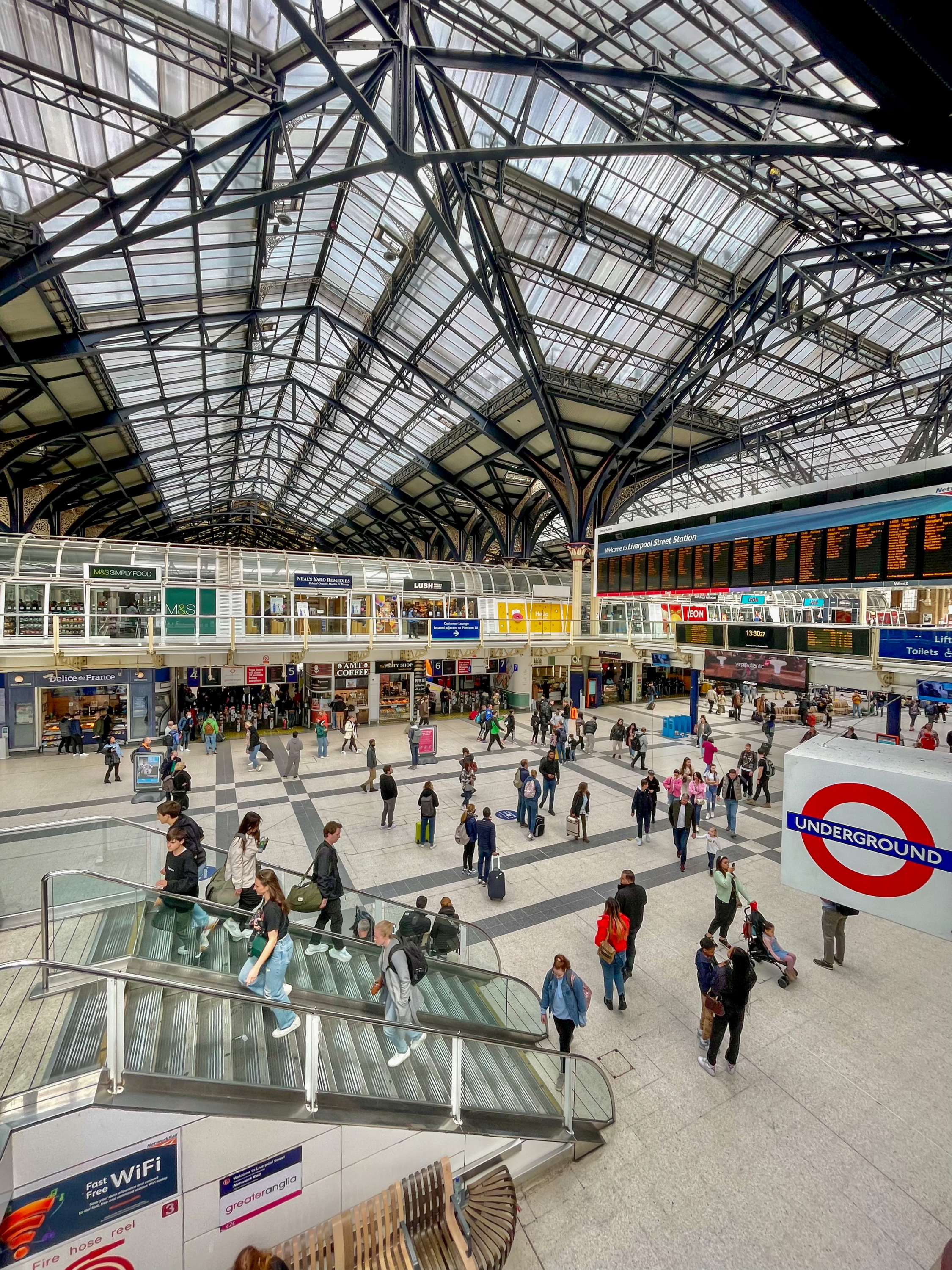
How We Get There – Embodied Carbon and Transportation Emissions
- In architecture, embodied carbon refers to the emissions produced during the extraction, manufacturing, and transportation of building materials. The selection of materials for a project has an impact before they even arrive at a jobsite.
- In travel, transportation (especially flying) is the equivalent – emissions from how we get from place to place.
- In both instances, choosing lower impact materials or lower impact modes of travel are ways to be more conscientious of our impact. For travel, that means trains vs. planes and local vs. long haul, or walking vs. driving. Now I’m not willing to give up overseas travel, but I am thinking about more local trips I can take in addition to the bigger overseas trips.
Where We Stay – Operational Carbon and Energy Efficiency
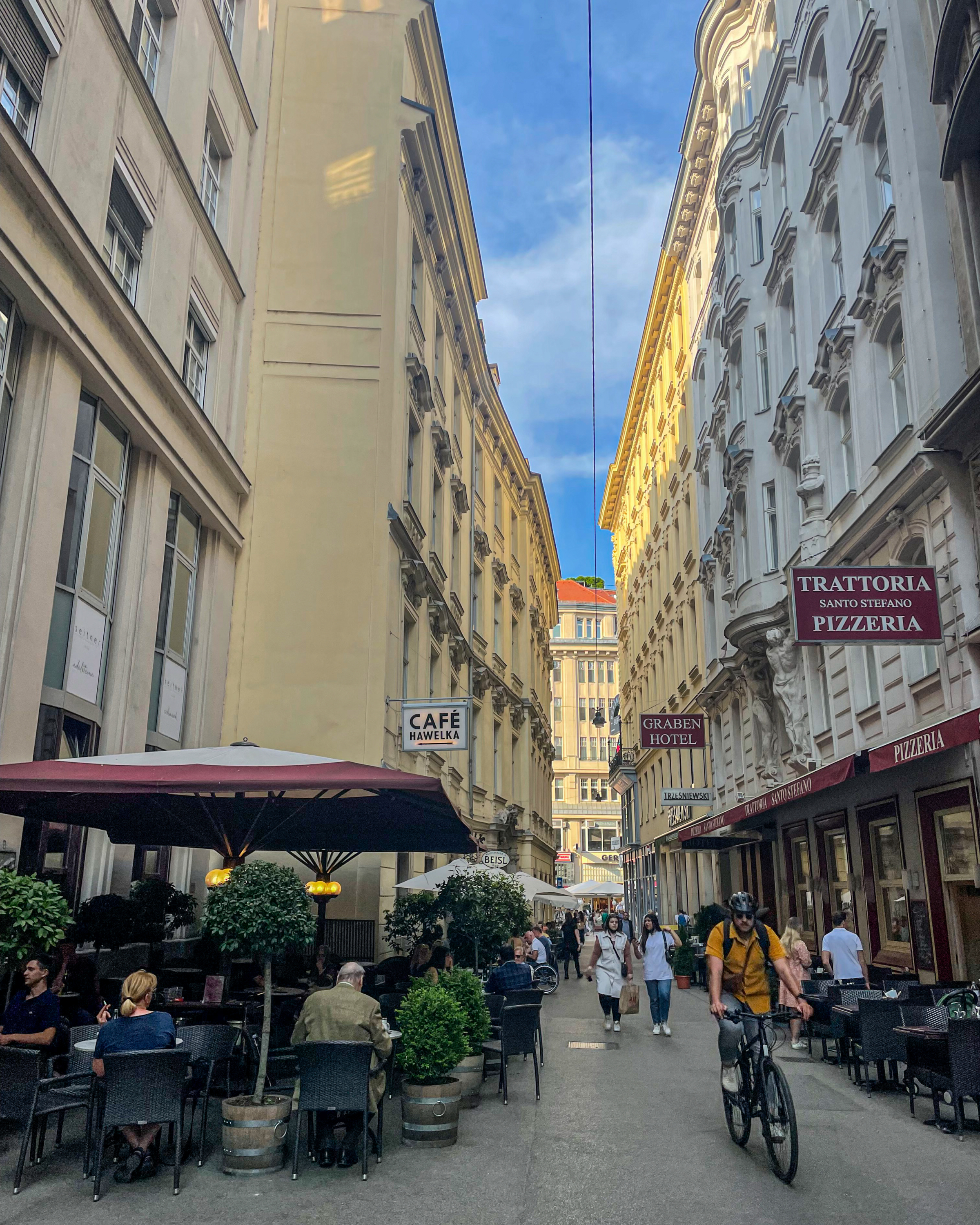
- Architects focus on operational carbon – emissions from heating, cooling, and running buildings.
- Travelers can think similarly about the energy footprint of where they stay (eco-hotels, passive design lodges, locally owned places that use renewables).
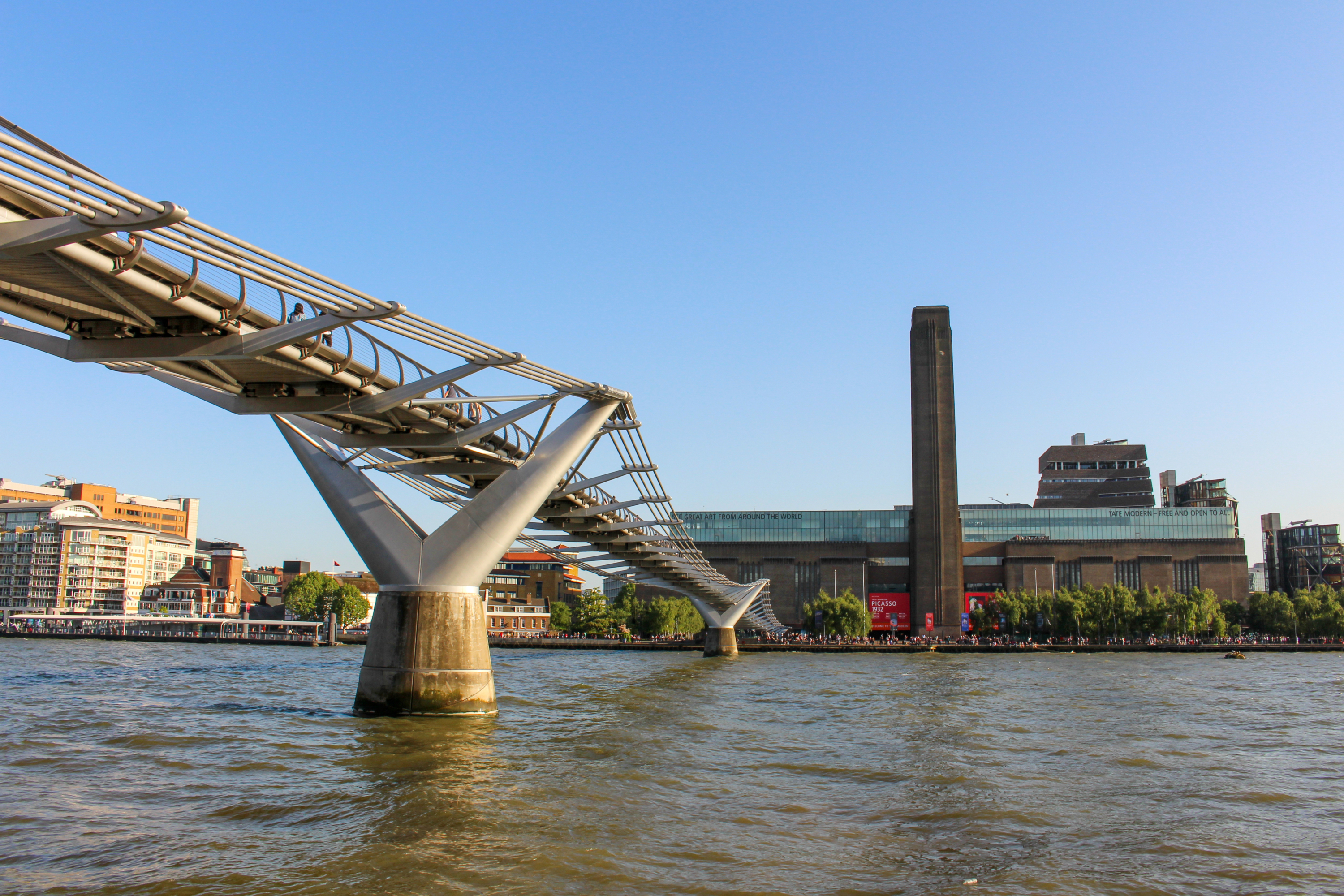
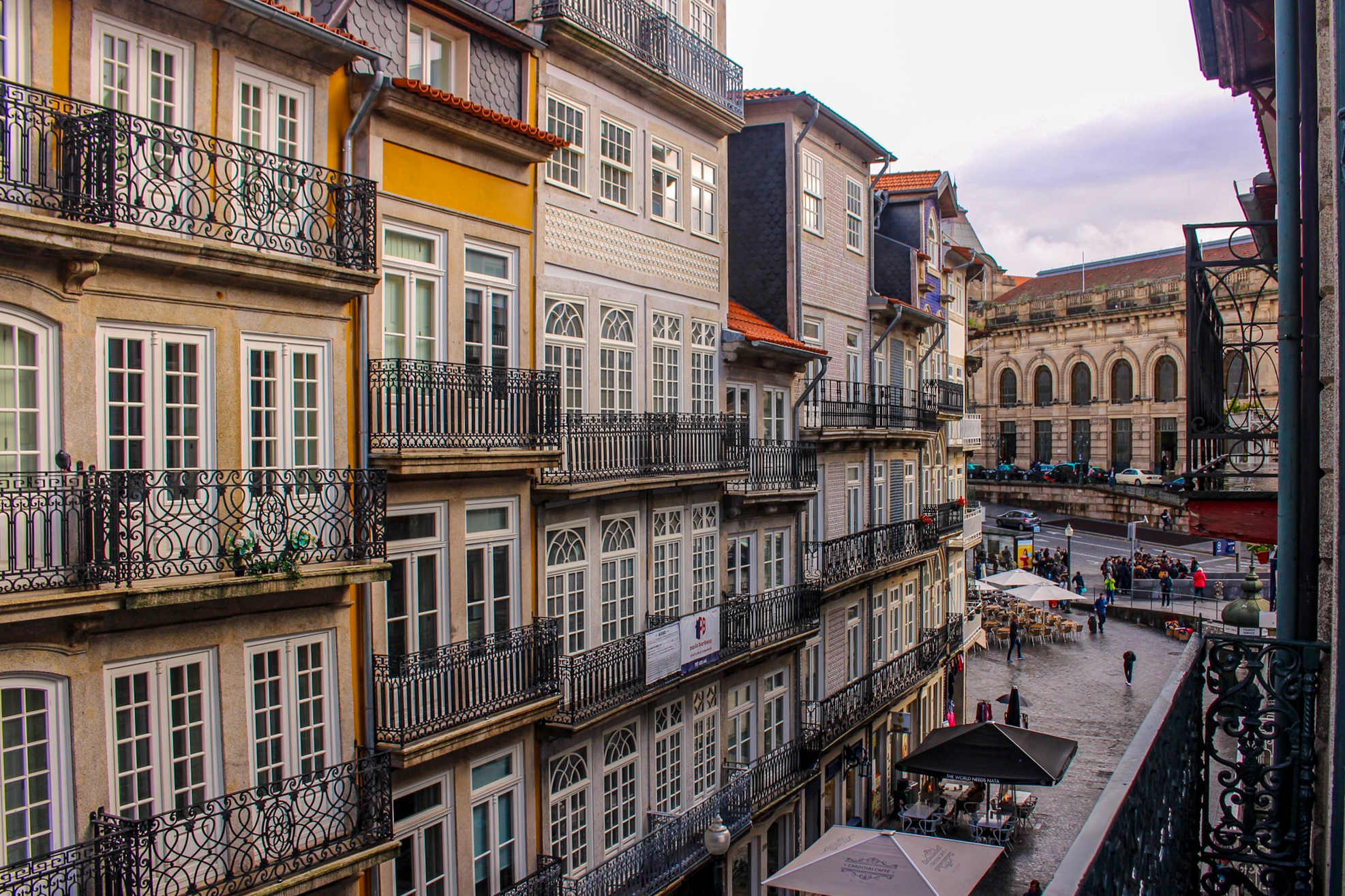
- Another example is adaptive reuse – older buildings that have been converted to another use. Some of my favorite hotels I’ve stayed in have been examples of this and create interesting spaces that are often in historic city centers where it is convenient to walk everywhere (another bonus!)
What We Do In a Destination – “Think Local” as a Design and Travel Principle
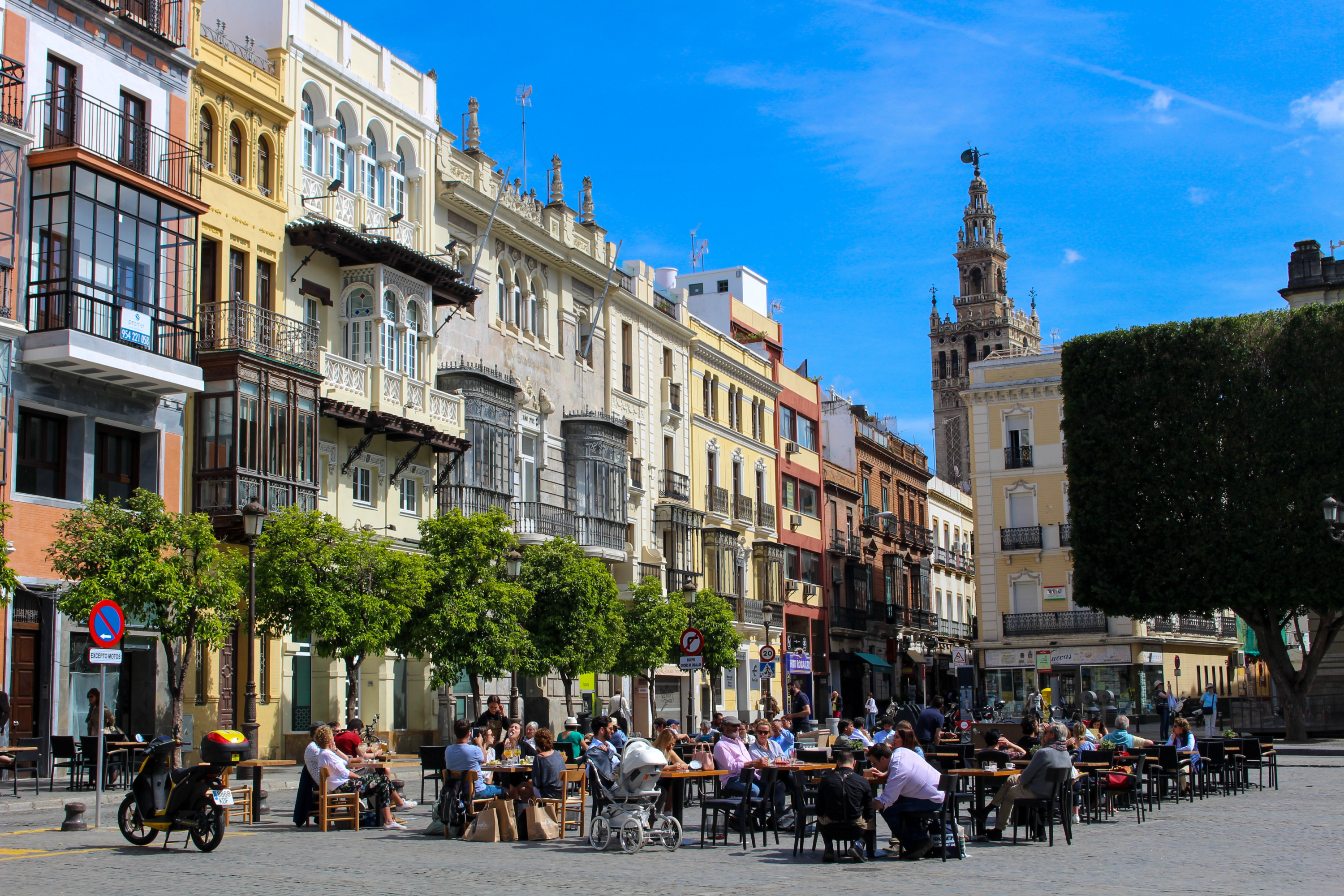
- In sustainable architecture, sourcing materials and labor locally reduces transport emissions and supports the community.
- In travel, staying local – exploring nearby regions, supporting local businesses – mirrors that same ethos. Once you reach a destination, there are choices you can make to help like supporting local businesses by going on tours led by local guides and spending your money in local businesses to support the local economy.
- Another way I like to look at this in my everyday life at home and when I travel is practicing habits as simple as turning off lights when leaving a room, turning off the air conditioning in my hotel if I plan to be away all day, walking or taking public transportation, not checking a bag to reduce the weight on a plane, and bringing a reusable water bottle. Evan small habits can have an impact.
How We Leave a Place – Regenerative Design and Regenerative Travel
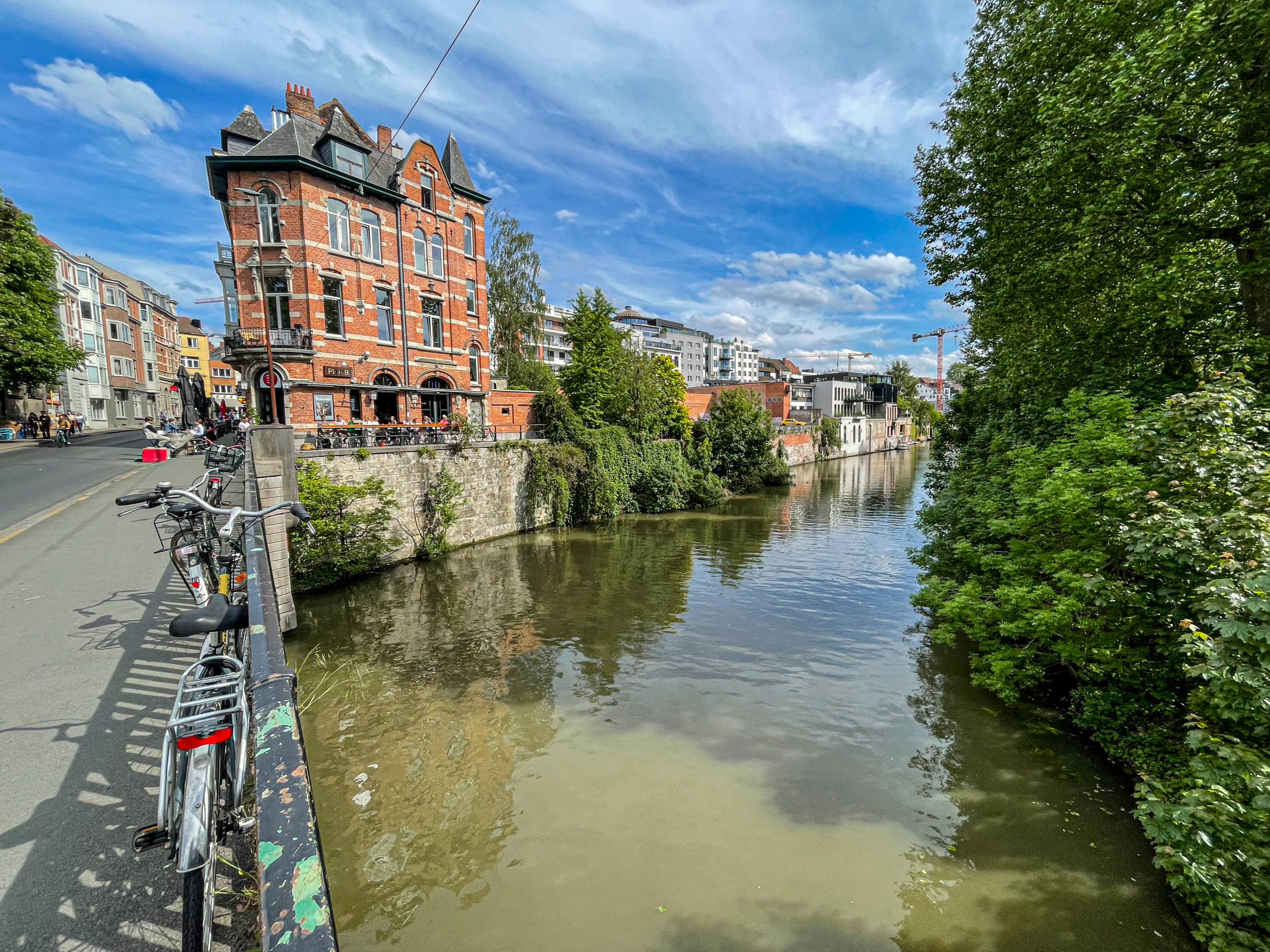
- Architects are moving beyond “net zero” toward regenerative design – projects that restore ecosystems and communities.
- Similarly, regenerative travel is about leaving a destination better than you found it.
Architecture as a Tool for Climate-Conscious Travel
- Architects design the infrastructure of travel: airports, train stations, hotels, and even trails and cultural centers. As travelers, we move through these spaces and make decisions about our mode of transportation, where we sleep, how we spend our money, and how we leave a place. Some ways we can be more conscientious of this is by walking, taking public transportation, and supporting buildings that are examples of adaptive reuse and reducing their carbon footprint.
Conclusion
Whether we’re sketching a floor plan or planning a trip, we’re shaping our relationship with the planet. Architects measure carbon in concrete and steel; travelers measure it in miles and modes of transportation. In both cases, reducing our footprint isn’t just about cutting back – it’s about designing more intentionally. From choosing local materials to supporting local economies, from adaptive reuse projects to slower, more grounded forms of travel, the same principles apply. Thoughtful design and thoughtful movement both have the power to build a lower-carbon future.
This is just the beginning, writing this has inspired me to write more about this topic and find ways to relate the choices that we make as travelers and designers to reducing our impact on the planet.
Leave a Reply